
Our Guide to Single-origin Chocolate: A Hunt For Flavor
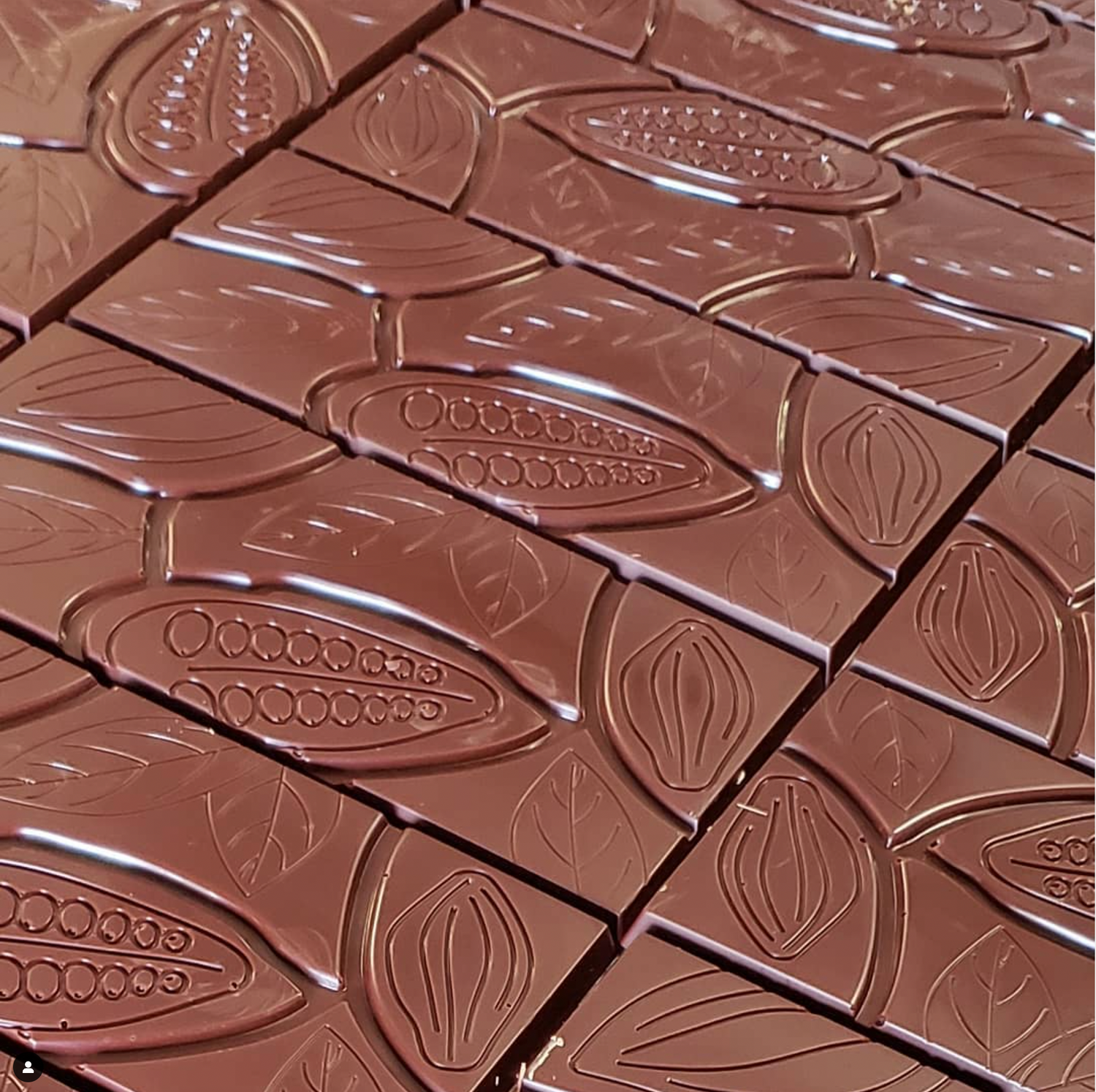
In the universe of fine craft bean-to-bar chocolate, there exists a category that stands out for its depth of flavor, complexity, and unique character: single-origin chocolate. Unlike blended chocolates, which combine beans from various regions, single-origin chocolate is crafted using cocoa beans sourced exclusively from one particular geographic location. This distinction is not merely a matter of marketing; it influences the taste and texture of the final product, offering connoisseurs a sensorial journey through the terroir of cocoa.
The Essence of Terroir
Just as with wine or coffee, the concept of terroir plays a central role in the world of craft bean-to-bar chocolate. Terroir encompasses the environmental factors—such as soil composition, climate, altitude, and rainfall—that impart distinctive characteristics to agricultural products. In the case of cocoa beans, the terroir of their origin shapes their flavor profile.
The Diversity of Origins
Single-origin chocolates offer a passport to some of the most renowned cocoa-producing regions around the globe. From the lush plantations of Madagascar to the misty mountains of Ecuador, each origin brings its own unique flavor signature to the table. For example, cocoa beans from Madagascar often represent bright, fruity notes reminiscent of berries or citrus, while those from Ecuador may exhibit floral undertones and a persistent richness.
Craftsmanship and Artistry
Crafting single-origin chocolate is an art form that requires skill, patience, and a deep understanding of the cocoa beans' inherent qualities. Master chocolate makers carefully roast, grind, and conche the beans, extracting their nuanced flavors and textures while preserving the essence of their origin. The result is a chocolate that speaks complexity, inviting consumers to savor every nuance and subtlety.
A Sensory Experience
Tasting single-origin chocolate is a multisensory experience that engages not only the palate but also the senses of sight, smell, and touch. As the chocolate melts on the tongue, it reveals layers of flavor that unfold like a symphony, from the initial burst of sweetness to the long-lasting finish. The texture, too, plays a crucial role, with some chocolates bringing a smooth, creamy mouthfeel while others offer a more robust, slightly grainy texture.
Pairing Possibilities
Single-origin chocolate pairs beautifully with a wide range of accompaniments, from bold red natural wines to properly fermented teas and single-origin coffees. Experimenting with different flavor combinations can yield unexpected results, enhancing the chocolate's inherent characteristics and creating new sensory experiences.
The Future of Chocolate
As consumers increasingly seek out artisanal, ethically sourced products, the demand for single-origin chocolate continues to grow. Not only does it offer uncompromising flavor and quality, but it also provides a tangible connection to the farmers and communities who cultivate the cocoa beans. By supporting the production of single-origin chocolate, consumers can play a role in preserving traditional farming practices, promoting sustainability, and celebrating the rich diversity of the world's cocoa-producing regions.
In conclusion, single-origin chocolate represents the pinnacle of chocolate craftsmanship, offering a sensory journey through the landscapes and cultures of its origin. From the vibrant flavors of Madagascar to the earthy richness of Peru, each chocolate tells a story—a story of place, of tradition, and of passion. So the next time you indulge in a piece of single-origin chocolate, take a moment to appreciate the journey it has taken from bean to bar, and savor the richness of its flavor and heritage.


